
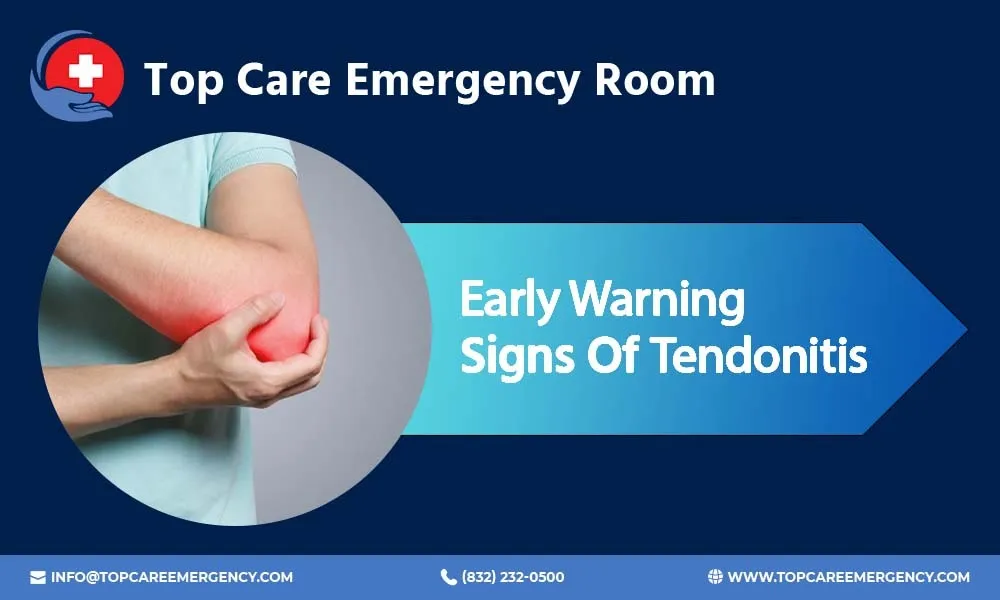
7 Warning Signs of Tendonitis You Should Never Ignore
If you’ve been feeling a constant pain near a joint and wondering whether it’s something serious, you’re not alone. Many people search for the early signs of tendonitis when the discomfort doesn’t go away. The tricky part is that it often starts small and feels like normal soreness, until it doesn’t.
You’ll learn how to spot the warning signs of tendonitis early, tell the difference from regular muscle pain and know exactly what to do next.
How Does tendonitis Actually Feel?
Tendonitis usually shows up close to a joint, like the shoulder, elbow or knee, rather than deep inside the muscle. It often feels very specific and localized, not like a broad ache. You might notice the discomfort in one exact spot, especially when you move a certain way, instead of feeling it across the whole arm or leg.
At first, the pain can be easy to ignore, appearing only during activity or certain motions. But over time, it tends to build up and linger. What starts as mild discomfort can gradually turn into pain that shows up even during simple, everyday movements like typing, lifting or walking.
Warning Signs of Tendonitis That Need Attention
Tendonitis often starts quietly, but the signs are easy to miss until they get worse. Knowing these early signs of tendonitis can help you act before the pain becomes harder to manage.
Pain with movement
Pain increases each time you use the joint. It feels worse during activity instead of easing up, which signals the early signs of tendonitis, irritated rather than just tired.
Tender to touch
Pressing the area causes soreness or sensitivity. This localized pain is a common sign that the tendon is inflamed or under stress.
Swelling or warmth
The area may look slightly swollen or feel warm. This happens when inflammation builds up around the tendon due to overuse or strain.
Stiff after rest
The joint feels tight after sleep or sitting still. It may loosen with movement, but that stiffness is an early warning sign of tendon trouble.
Weakness in use
You may notice reduced strength or difficulty doing simple tasks. Actions like gripping or lifting can feel harder than usual.
Popping or grinding
You might feel or hear crackling or grating when moving. This unusual sensation can mean the tendon is not gliding smoothly.
Pain returns again
Pain may go away after rest, but comes back after activity. This repeating pattern shows the tendon is not fully recovering.
How to Tell if It’s Tendonitis or Regular Pain?
Pain from signs of tendonitis can feel a lot like regular muscle soreness at first, especially after activity. Because of this, many people don’t notice the difference right away. But your body gives small signs that can help you understand what kind of pain it is.
Muscle soreness usually feels spread out and gets better with light movement. Tendon pain is sharper or stays in one spot and often gets worse when you use it. Many people ignore these early signs or keep pushing through workouts, which can make the problem worse over time.
Common Areas Affected by Tendonitis
Tendonitis can affect different parts of the body, especially areas that are used repeatedly during daily activities.
Common problem areas
Shoulder, elbow and tendonitis in wrist, knee, ankle and heel are most affected as we speak about signs of tendonitis because they handle repeated use and take on more strain during daily movements.
Shoulder discomfort
Pain often appears when you reach overhead, lift your arm or move it in certain directions, especially during daily tasks or exercise.
Elbow strain
You may feel pain while typing, gripping or lifting objects, as these repeated actions put stress on the elbow tendons.
Knee trouble
Pain can show up when climbing stairs, walking or bending the knee, especially with repeated movement or added pressure on the joint.
What to Do When Tendon Pain First Starts?
Acting early can help prevent bigger problems later on. Give the affected area proper rest by avoiding movements that trigger pain, but try not to stop all activity completely. It’s better to stay gently active while protecting the irritated tendon.
If a specific movement is causing the pain, reduce or modify it, if running hurts, switch to walking or other low-impact activities. For mild symptoms, simple home care like using cold packs, doing gentle stretching and maintaining good posture can help ease discomfort. You can also look into early pain relief tips to manage symptoms before they get worse.
When to Seek Medical Help for Tendonitis?
If pain does not improve with rest or keeps coming back, it may need proper care. Paying attention to these signs of tendonitis can help you avoid bigger problems later.
- Sometimes, home care is not enough and the pain needs proper medical attention to heal correctly.
- If the pain lasts more than a week or keeps returning, it is a sign that something is not right and should not be ignored.
- A sudden sharp pain or a popping feeling can point to a more serious issue and needs quick medical evaluation.
- If you feel weakness, notice heavy swelling or struggle to move the area normally, it is important to seek medical help as soon as possible.
How to Stop signs of tendonitis from Getting Worse?
Small mistakes can slow down recovery and make the pain worse. It’s important not to push through pain or ignore symptoms that keep coming back, as this can increase strain on the tendon and delay healing.
Another common issue is returning to intense activity too quickly before the area has properly recovered. Taking time to heal and following simple injury prevention habits can help you avoid the same problem again. For active individuals, Sports injury evaluation can help identify the root cause and guide proper recovery.
When To Visit Top Care ER
Ignoring early tendonitis symptoms can lead to severe pain and long-term damage. If you notice swelling, stiffness or weakness that doesn’t improve, it’s time to take action. Get timely care from Top Care ER for fast evaluation and relief before the condition worsens.
If your symptoms get worse or start affecting daily movement, don’t wait to connect with our care team instantly for immediate support and guidance. You can also visit our nearby locations, including Garden Oaks ER and Timbergrove emergency care, for quick diagnosis and effective treatment.
At Top Care ER, our medical team is highly experienced in identifying tendonitis symptoms and providing targeted care for faster, safer recovery.
