

Should I Go to Urgent Care or Emergency Room For Blood in Stool
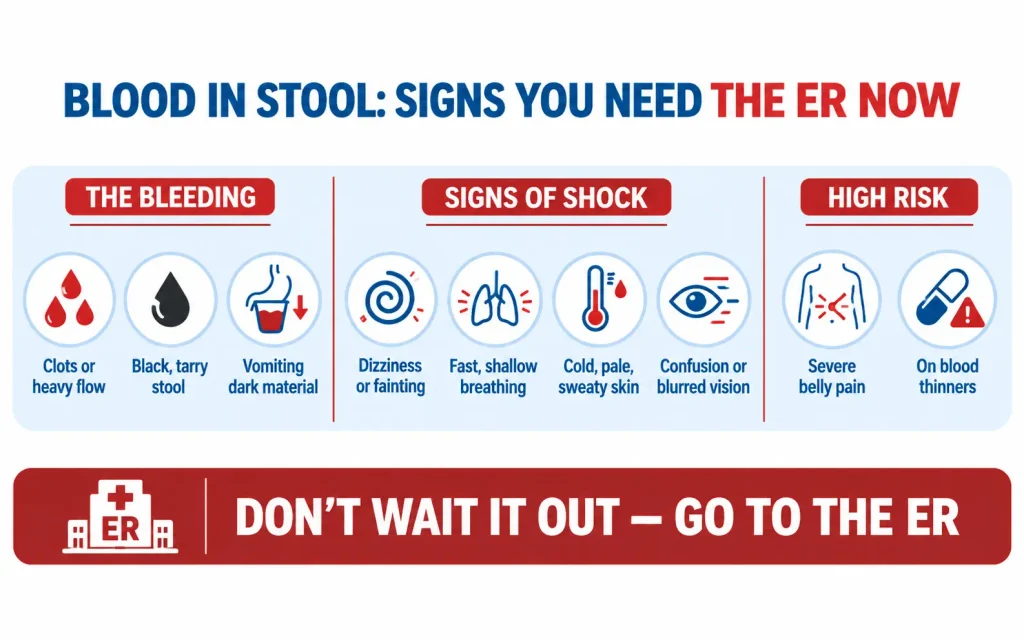
Imagine noticing bright red blood on the toilet paper after using the bathroom. Perhaps you see blood mixed with your stool, or the toilet water turns reddish. You might feel completely normal, with no abdominal pain or other symptoms. Naturally, you start wondering: Is it hemorrhoids, or could something more serious be happening? If you are experiencing heavy or continuous bleeding, severe abdominal pain, dizziness, fainting, or black, tarry stools, go to the emergency room. For a small amount of bleeding without emergency symptoms, prompt medical evaluation is still important.
Blood in stool, also called rectal bleeding, can have several causes, ranging from hemorrhoids and anal fissures to gastrointestinal conditions that require immediate treatment. The important question is not just what the bleeding means, but where you should seek medical attention. If you live in Houston, Texas, understanding the difference between urgent care and an emergency room can help you choose the appropriate level of medical attention. If you need emergency evaluation, you can learn more about 24-hour emergency care services in Houston Heights and the care options available through Top Care Emergency.
Common Causes of Blood in Stool
Understanding possible causes can help explain why medical evaluation matters, even when bleeding appears minor.
1. Hemorrhoids
Hemorrhoids are swollen blood vessels around the anus or inside the rectum. They are a common cause of bright red bleeding during bowel movements. You might notice:
- Blood on toilet paper after wiping.
- Bright red blood on the surface of the stool.
- Itching or irritation around the anus.
- A lump or discomfort near the anal opening.
Internal hemorrhoids can bleed without causing pain. Therefore, having blood in your stool with no pain does not automatically mean the condition is harmless.
2. Anal Fissures
An anal fissure is a small tear in the lining of the anus, commonly associated with passing hard stools, constipation, or frequent diarrhea. It can cause:
- Bright red blood when pooping.
- Sharp pain during bowel movements.
- Burning or discomfort afterward.
3. Diverticulosis
Diverticulosis occurs when small pouches develop in the wall of the colon. Sometimes, these pouches bleed, causing sudden rectal bleeding that may be painless or substantial. Heavy bleeding requires emergency evaluation.
4. Inflammatory Bowel Disease (IBD)
Conditions such as Crohn’s disease and ulcerative colitis cause inflammation in the digestive tract. Possible symptoms include:
- Blood mixed with diarrhea
- Abdominal pain and cramping
- Frequent bowel movements
- Unexplained weight loss
- Fatigue
5. Gastrointestinal Infections and Other Conditions
Certain intestinal infections can cause bloody diarrhea, abdominal cramps, and fever. Colon polyps and colorectal cancer can also cause rectal bleeding, sometimes without noticeable pain.
For a more detailed explanation of gastrointestinal bleeding, its warning signs, and possible underlying conditions, consult the National Institute of Diabetes and Digestive and Kidney Diseases (NIDDK) guide to symptoms and causes of gastrointestinal bleeding.
Urgent Care or Emergency Room for Blood in Stool: What’s the Difference?
The right healthcare setting depends on the amount of bleeding, associated symptoms, and your overall condition. Visit an emergency room (ER) immediately if you experience:
- Heavy or continuous rectal bleeding.
- Large blood clots or substantial amounts of blood.
- Black, tarry stools or dark maroon stools.
- Severe abdominal pain or cramping with bleeding.
- Dizziness, fainting, confusion, or significant weakness.
- Rapid heartbeat, difficulty breathing, or cold, clammy skin.
- Vomiting blood or material resembling coffee grounds.
| Call 911 if you faint, show signs of shock, or cannot safely travel to the hospital. Do not drive yourself. |
Consider urgent care for prompt assessment when bleeding is small in amount, has stopped, and you feel otherwise stable, without the warning signs above. However, not every urgent care clinic can evaluate gastrointestinal bleeding. Call ahead to confirm its capabilities. If appropriate evaluation is unavailable, seek an emergency department assessment.
| Factors to Consider | Urgent Care | Emergency Room |
| Medical conditions and symptoms | Suitable for minor rectal bleeding, suspected hemorrhoids or anal fissures, and stable patients without emergency warning signs. | Appropriate for heavy bleeding, black tarry stools, bloody diarrhea with severe abdominal pain, dizziness, fainting, or suspected serious gastrointestinal bleeding. |
| Operating hours | Hours vary by clinic. Some offer extended evening and weekend services. | Generally open 24 hours a day, seven days a week. |
| Treatment options | Can provide basic examinations, initial treatment, limited testing, and referrals when necessary. | Can provide IV fluids, blood transfusions, emergency procedures, medications, and hospitalization when needed. |
| Cost of treatment | Generally less expensive for uncomplicated visits and basic evaluations. | Generally more expensive because of emergency resources, advanced testing, and treatment. |
| Insurance coverage | Depends on whether the clinic is in-network and the benefits of your insurance plan. | Depends on your insurance policy, hospital, and applicable emergency-care protections. |
| Follow-up care | May recommend follow-up with a primary care physician or gastroenterologist for further evaluation. | May arrange specialist follow-up after emergency evaluation or hospitalization. |
The key distinction is that urgent care generally handles stable, less serious conditions, while an emergency department can provide more extensive evaluation and treatment for potentially serious gastrointestinal bleeding.
Patients experiencing serious symptoms should seek evaluation at an appropriately equipped emergency facility. You can learn more about adult emergency care in Houston and the types of emergency conditions that may require immediate attention.
What Does Blood in Your Stool Mean?
Rectal bleeding occurs when blood passes from the anus, rectum, or another part of the gastrointestinal tract. The appearance of blood can provide clues about its possible source, but color alone cannot establish a diagnosis:
- Bright red blood: Often associated with hemorrhoids or anal fissures, although other causes are possible.
- Dark red or maroon stool: May indicate bleeding higher in the colon or another part of the digestive tract.
- Black, tarry stool: Known as melena, it can indicate bleeding in the upper gastrointestinal tract, including the stomach or small intestine.
The medical term hematochezia describes the passage of fresh red or maroon blood through the rectum. For example, someone noticing bright red blood when wiping after constipation might have an anal fissure or hemorrhoids. However, someone experiencing bloody diarrhea alongside abdominal cramps may have an intestinal infection or inflammatory bowel disease. Neither situation should be diagnosed based on appearance alone.
What Will Urgent Care Do for Blood in Stool?
If you visit an urgent care clinic in Houston with minor rectal bleeding, the provider will generally begin by understanding your symptoms and determining whether you need a higher level of care.
Urgent Care Evaluation
Depending on the clinic’s capabilities, an evaluation may include:
- Medical history: Questions about bleeding frequency, stool color, abdominal pain, constipation, diarrhea, and medications such as blood thinners.
- Physical examination: Checking your abdomen and, when appropriate, examining the rectal area.
- Vital signs: Measuring blood pressure, heart rate, and other indicators of your overall condition.
- Testing: Some clinics can perform basic blood or stool tests, depending on available equipment and staffing.
If the provider suspects significant gastrointestinal bleeding, anemia, or another serious condition, you may need immediate transfer to an emergency department.
An important limitation is that most urgent care clinics cannot provide the full range of emergency diagnostic and treatment services. They may not have the equipment or specialists needed for advanced imaging, blood transfusions, or emergency endoscopic procedures.
What Happens at the Emergency Room?
Unlike a typical urgent care visit, an emergency department is equipped to evaluate and stabilize potentially serious gastrointestinal bleeding. For example, imagine a person arriving with bloody stool, severe abdominal cramps, and dizziness. The emergency team must first determine whether the person is losing a dangerous amount of blood.
Depending on the symptoms and examination, the evaluation may involve:
- Complete blood count (CBC): Helps identify anemia and assess blood-related changes.
- Blood pressure and heart rate monitoring: Helps evaluate circulation and possible blood loss.
- Rectal examination: May help identify a possible source of bleeding.
- Stool testing: May help identify intestinal infections or other abnormalities.
- CT scan or CT angiography: May help locate bleeding or identify abdominal conditions.
- Colonoscopy or endoscopy: Allows doctors to examine parts of the gastrointestinal tract and sometimes treat the bleeding source.The diagnostic approach depends on the patient’s symptoms, medical history, and suspected source of bleeding. The NIDDK explains the different methods doctors use in its guide to the diagnosis of gastrointestinal bleeding.
Treatment depends on the underlying cause and severity. Options may include IV fluids, medication, endoscopic treatment, blood transfusion, or hospitalization.
Not every patient needs all these tests or treatments. The emergency physician determines the appropriate approach based on the clinical findings.
When Should You Worry About Blood in Stool?
Some people notice bleeding only once, while others experience it repeatedly over several days. Consider these situations:
- Blood in stool for three days: Repeated bleeding needs prompt medical evaluation, even without pain.
- Bright red blood without pain: Hemorrhoids are one possibility, but other causes must be considered.
- Red blood in diarrhea: Intestinal infection or inflammation may be responsible. Bloody diarrhea warrants urgent medical assessment.
- Blood in stool with stomach pain: Severe pain requires emergency evaluation, particularly when accompanied by bleeding.
- Blood only when wiping: A small amount may come from hemorrhoids or an anal fissure, but unexplained or recurring bleeding still needs assessment.
Remember that the absence of pain does not rule out significant gastrointestinal disease.
Where Should Houston Residents Seek Care?
Houston residents have several healthcare options, including primary care offices, urgent care clinics, and hospital emergency departments. Choosing the right setting depends on the severity of your symptoms:
- Primary care: Appropriate for arranging follow-up evaluation when bleeding is minor and you are stable, but do not delay assessment of new or unexplained bleeding.
- Urgent care: May assess minor, stable rectal bleeding if the clinic has appropriate examination and testing capabilities.
- Emergency department: The appropriate setting for heavy bleeding, black tarry stools, severe abdominal pain, or symptoms suggesting significant blood loss.
| If you are experiencing a medical emergency, call 911 rather than driving yourself. |
Houston’s healthcare facilities may differ in available diagnostic equipment and treatment capabilities. Before choosing an urgent care clinic, confirm that it can evaluate your symptoms.
Houston residents looking for emergency medical assistance can explore the Top Care Emergency Room location in Houston Heights to find facility information and the communities it serves.
Frequently Asked Questions
Conclusion
Noticing blood in your stool can be unsettling, especially when you cannot identify the cause. However, the most important step is recognizing how much you are bleeding and whether other symptoms are present. If you notice a small amount of bright red blood and feel otherwise well, seek prompt medical assessment through an appropriately equipped urgent care clinic or healthcare provider. If bleeding is heavy, continuous, accompanied by severe abdominal pain, or associated with dizziness or fainting, go to the emergency room.
For Houston residents, choosing the appropriate healthcare setting can help prevent delays in receiving necessary treatment. If you have unexplained blood in your stool, do not simply wait for it to disappear. Get it evaluated by a qualified healthcare professional. For additional information about emergency healthcare services, visit Top Care Emergency.
